I live in an old Scottish Kirk. We came here in 2018. When we got the place it had been badly neglected for years by the previous owner, when he got it the building had been deconsecrated. Before that it was looked after by the parish council, when it was used for funerals only. There has been little investment in it for a long time. The parish council did install a electricity supply cable but it was never connected. The building had nothing modern, no electric, no water, no insulation. The previous owner had fairly gutted it, he’d removed all the pews and torn out most of the lath and plaster. He’d burnt it all (and the organ) on the golf course. The neighbour in the old manse thought the fire would set fire to their house as it was so big. For all his work (destruction), he did not try to repair the roof. When we arrived it was leaking badly in many places. One corner was so bad that we had to get a professional roofer in as a great hole had opened up. He said the whole section was “mush”. That we paid for with our wedding gift money. We realised that the roof needed to be done before anything but, the church is in an active graveyard, so a caravan was out of the question, therefore we camped in the building during renovation.
The key to everything was a cherry picker. When lockdown came we couldn’t get any tradesmen to help. Luckily, when we moved in, a local electrician connected up the mains wire. After that, another did put in the start of a supply, sockets, lights and storage heaters. We added to that. Justin had electrician experience and did the rest. Scottish water refused to connect the water, so we made a rainwater harvesting system, which works just fine. The loo is a composting system (collected from an architects house in London, purchased via ebay). During lockdown we ran down to England and collected a cherry picker that we’d purchased on ebay. We still have it and it is in permanent use here. That cherry picker was key to the renovation. We sourced more slate on Facebook Marketplace and Gumtree. Pretty soon the roof no longer leaked. Gradually the camping in our church became living in our church. It is our opinion that we just caught this building from becoming an unviable ruin, if the roof had collapsed in that corner, the job would have become a huge one. The building had been on the market for a number of years, so not many could see its potential and if the roof had collapsed it would have been an even greater risk. We also bought a tower of scaffolding which has been very useful for where the cherry picker can’t reach.
We also completed planning permission, building standards and listed building consent. All above board! The fact that we did all the work ourselves made it possible. We also were determined to use traditional methods and not modern shortcuts. The lath was replaced like for like and lime plastered. Though it was a big job to put back the lath and plaster, we also were able to put in breathable insulation behind it. Breathable everything is key!
At one point an east window fell in. One night there was an unusual north wind and at 2 or 4 in the morning the whole thing fell in and fell to bits. The previous owner had let water pour down that wall (it no longer does) and it had made the lime plaster fall away. We were not aware that the window was held in by the plaster. We salvaged all the parts and completely re-built the window NOT using modern materials. The paint is breathable linseed paint. It took some time to rebuild the window and place it back in. The window space was boarded for sometime as the window was reconstructed behind. It is now held in place by thick metal rods. My wife reassembled the Y-tracery part at the top. It is a testament to “old wood” as to how good the window wood is, you would not know it is 180 years old.
Solar Power (not): We got planning permission for solar panels on the back roof. However the wind is brutal here and they were torn down several times. The last time seemed to damage them and I could no longer get power from them. They now sit in the church disconnected. Also, there has been no sun to speak of for a few years now and it’s quite pointless to fix them and get them out again right now. There is also a 11kw 48v inverter and batteries. The batteries were also a failure as they would not hold charge after a couple of years use. Even when they were good they could only run the building for a few hours. When the system was working and we did have sun, the delivery was a lot of power midday, but what use is that if the batteries have such a short life? The inverter uses power all the time and I had to turn it off when the sun stopped. Right now it is sitting there unused, but I could turn it on and use the short life of the batteries if the power goes off. An expensive UPS! Further, that was the second inverter, as the first one fried when there was a solar surge!
Rainwater Harvesting: Due to Scottish Water being difficult due to an active graveyard around the church (we subsequently found an isolated church (consecrated or not) is allowed the right to have supplies run to them regardless of the graveyard) we came up with a work around: water from the sky. In the old days many people used rainwater as their water supply (my grandad Gunn told me stories of his childhood house and all their water came from the roof into a big tank). The system developed gradually from buckets from the steam to a complex system which collects water from the roof. There are several filters (4) and a big storage tank. The final stage is a big UV steriliser. We store over a ton of water (5 tanks). It works very well indeed and we don’t get that tap water taste of fluoride. The whole system was inspected by the council and signed off as a registered private water supply, safe to drink. There is a twin impeller pump for pressure (hot water one channel and cold the other) as you normally need the pressure of the water supply to push the water around the house, and an expansion pressure tank that means the pump doesn’t run on every turn of the taps. There is an additional pump to move the water into the main tank. The hot water is currently from a 10kw instant water heater, this does work very well but we have also a couple of hot water cylinders which might get connected someday, but the instant heater works so well there is no hurry. Currently the only issue is, if the power goes off there is no water, however, I have a spare inverter and batteries which could be hooked up if the power went off for longer.
Externally, all the windows need work. Many panes have been replaced and nearly all has new putty. I am still working on fixing rotted wood. The rear windows to the kitchen were completely renovated. The two y-tracery east windows were completely renovated. The four front windows are in progress. The porch, see the Sept ’26 section below. The entire exterior was lime washed and the plaster fixed but before that it was power washed to take off the black mould and also take off the gloss paint that the building was trying to shed anyway (these traditional buildings will try to do that, shed the modern materials, like they don’t approve of them!). The lime wash is actually NHL2 (Natural Hydraulic Lime) and all put on by paint brush. It was done super thick and hopefully won’t need doing for a bit, like the fourth bridge! We did try normal lime wash but it doesn’t handle the Highlands weather. The gutters have also received attention. The shed at the back was re-roofed and slated with Scots slate.
This had been almost a full time job and there is a long way to go yet, but it is worth it! You don’t really “own” a building like this, but just become another cog in its survival, a caretaker. We have also been careful not the damage the original church, it would actually be possible to take out everything and the church would be as if we’d never been here.
Many have asked what we want to do with the big open area. The central communion table is still there and the pulpit. It makes a nice indoor area in the summer away from the midge. We actually don’t want to close it in anymore, what we have is enough, basically we have a flat within the church and a large covered garden within. We also have Ragdoll cats and they love the big open indoor space. We always intended to keep the building as original as possible. One advantage of it being neglected for so long was that the modern materials were minimal. Modern materials make traditional buildings sick.
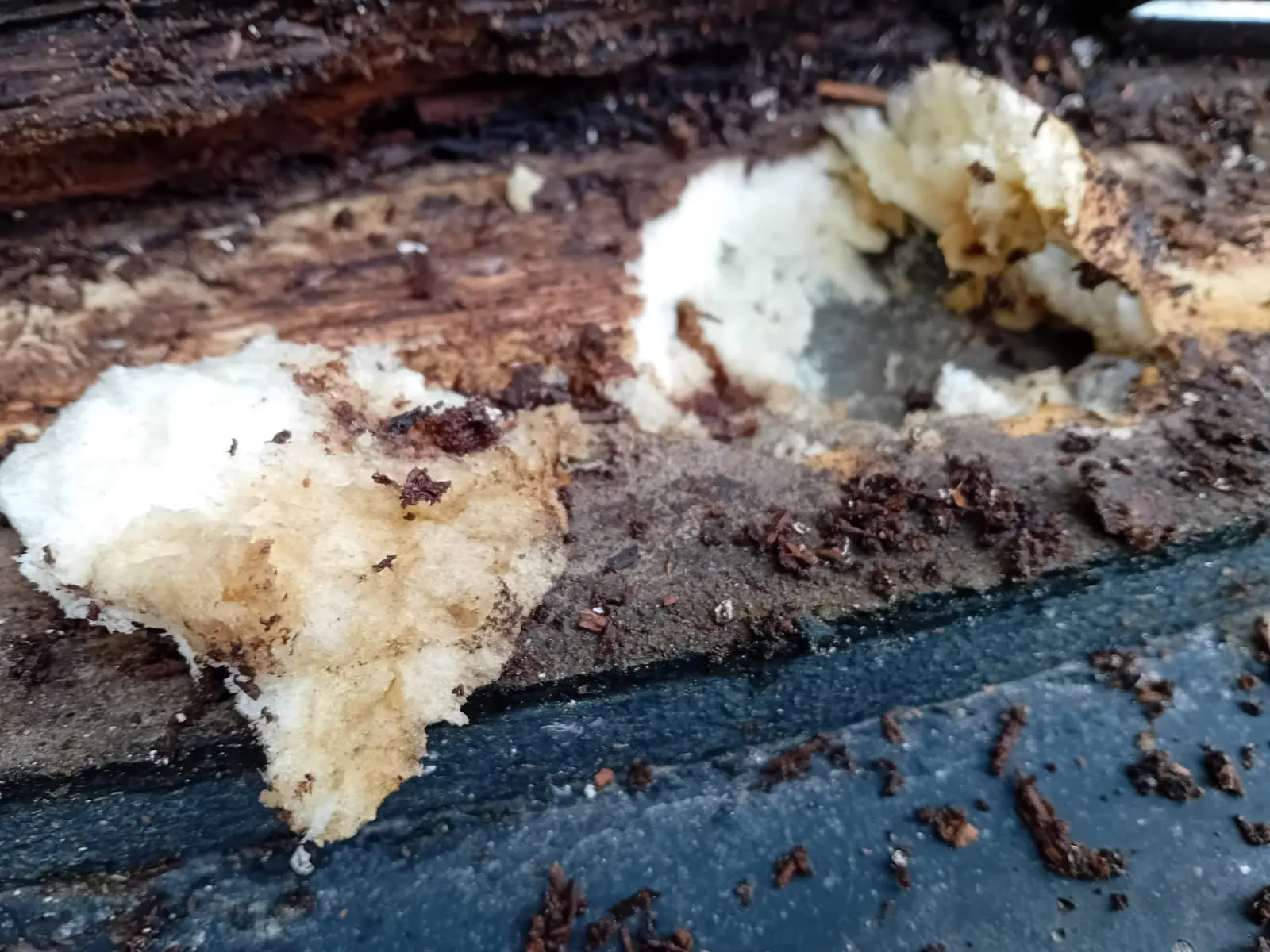
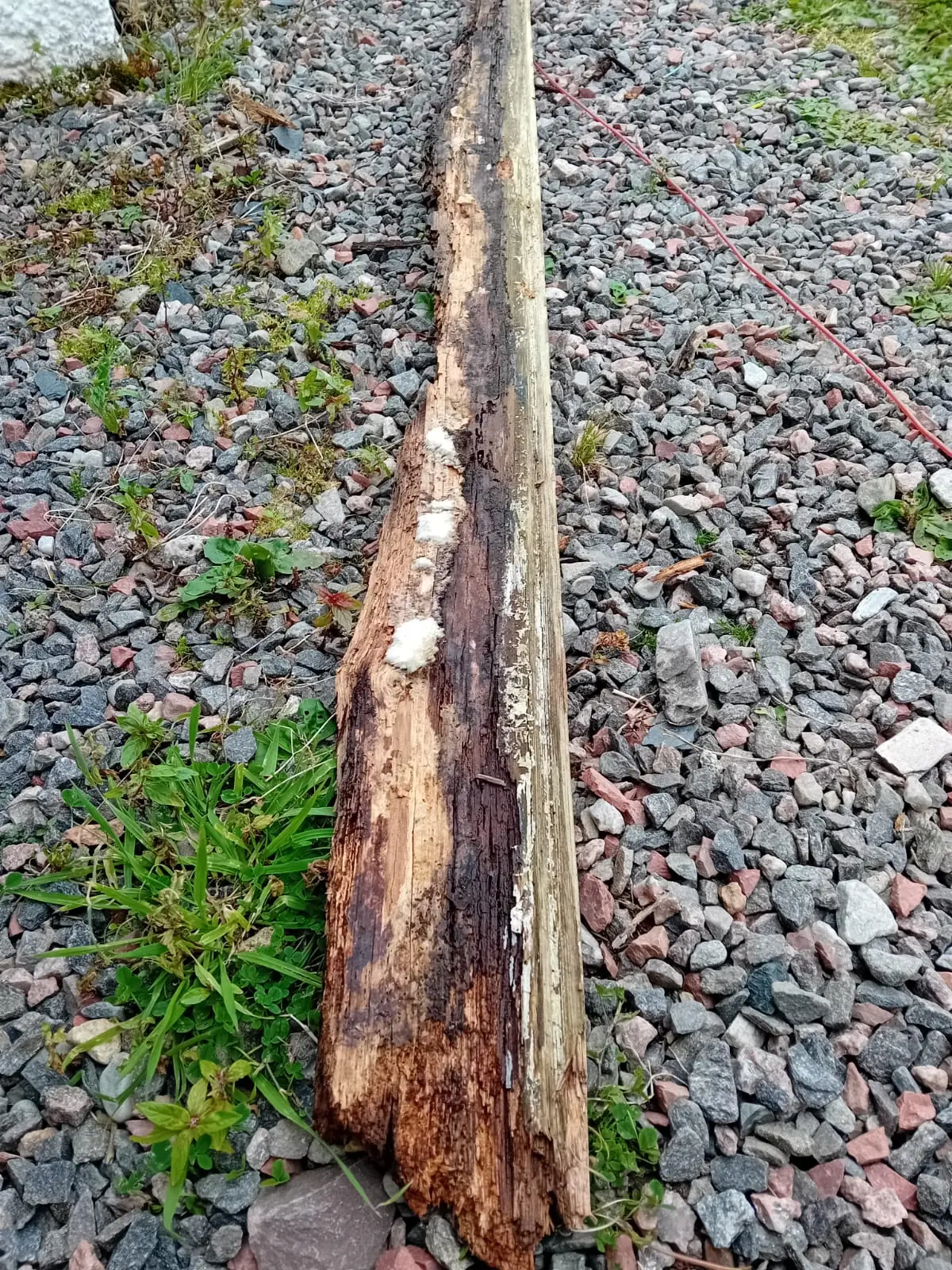
Sept ’26 – Mr Gloss Paint had been at work again. The chap who slapped modern gloss paint on everything here also put squirty foam in any cavity he could find and some sort of rubber sealant in gaps everywhere. Just been getting the rotten wood out of the porch, he’d slapped so much sealant and squirty foam on everything, each time I dig down into the rot I find modern materials under it or over it. Funny how the bare wood on the porch with no paint over it is just fine. Modern materials, designed to keep the wet locked in, rather than out. Thank goodness he never slapped his gloss paint on the big windows. No idea who Mr Gloss Paint was but I often wonder if he is residing in the graveyard here.


I made this Wikipedia page about the church: https://en.wikipedia.org/wiki/Lochcarron_Old_Parish_Church